I sometimes get the opportunity to give a brief introduction to development economics to students of various types. In the past, I’ve written about introducing development economics to middle schoolers in 20 minutes, introducing high school students to development economics with chocolate, and a practical activity for teaching regression discontinuity design that I’ve used with government workers in various countries.
Last week, I spoke to a group of undergraduate economics majors in a development economics class about development economics in practice. Like those popular Choose Your Own Adventure books from my childhood, I turned control of the lecture over to the students. In case it’s useful, here’s a recap of what I did.
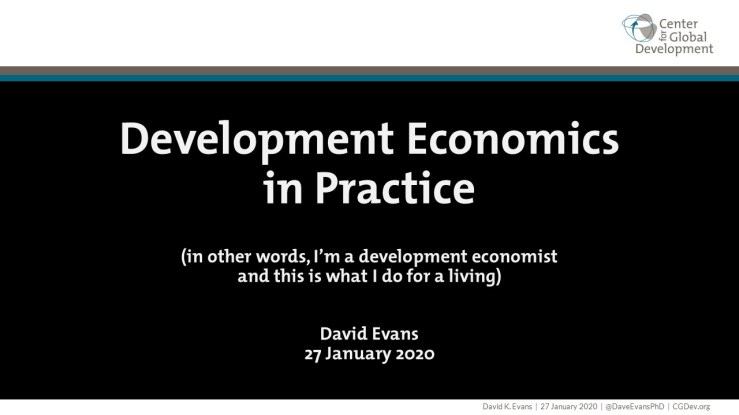
Since these students are already studying development economics, I didn’t explain what it is, but I did explain how I practice it, in two parts. First, I research solutions to alleviate poverty; and second, I work with governments and others to incorporate that evidence into policy. I provided a little bit of photographic evidence.
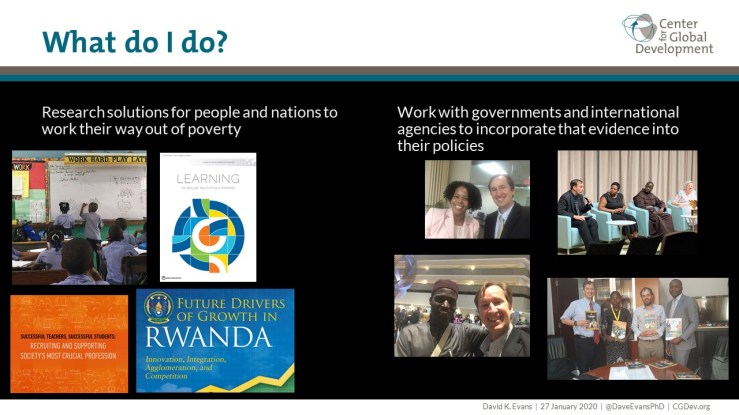
I talked briefly about the two places where I’ve spent most of my career – the World Bank and the Center for Global Development.
Then, I put up my own low-stakes Jeopardy board with 30 of my finished or ongoing research projects and randomly selected students to pick a project to hear a little bit about. Each square linked to a slide with a little bit of information about the study. For each one, I discussed the research question, the finding, and a little bit about the interaction with policymakers.
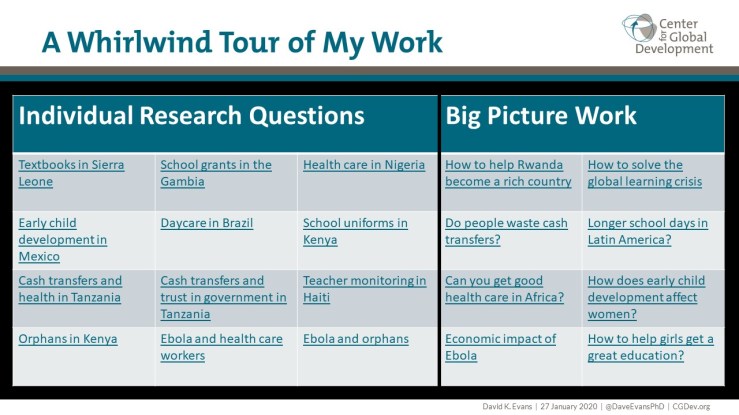
I only got through a handful of topics in each class (I taught two classes). Over the course of just 25 minutes, the students got a practical sense of the array of work a development economist gets to work on along with some of the ups and downs of trying to influence policy. You can scroll through the individual study slides below.
It was fun to deliver and to seemed like it was fun for the students. They got to decide what they thought was interesting. What are your favorite tips for introducing development economics research to students?


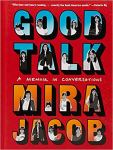
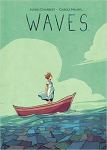




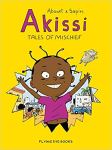


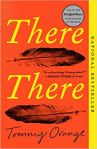


















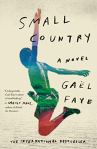
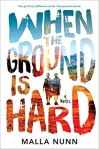
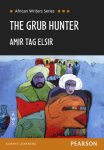




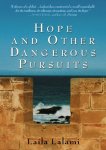












































































































 Until two weeks ago,
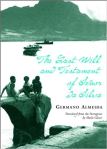
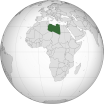 Asouf lives alone in the desert. He cares for massive, ancient rock paintings and guides the tourists who venture to see them. He alone knows where to find the sacred waddan, “a kind of wild mountain sheep … the oldest animal in the Sahara.” In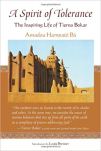
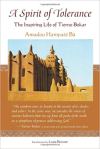
 Amadou Hampaté Bâ was a writer well-known in his native country of Mali and beyond. He lived 90 years and wrote both fiction and nonfiction. In 1957, he wrote a biography of and collection of teachings by his spiritual leader, Tierno Bokar. He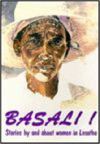
 For a time, K. Limakatso Kendall taught at the National University of Lesotho. While there, she gathered stories by or about the women of Lesotho. (Three quarters are by women; the rest are by men, recounting stories told to them.) In the wonderfully idiosyncratic collection,
 Joseph Brahim Seid, a writer and politician (he was Minister of Justice for nearly a decade) from the Republic of Chad, wrote a collection of folktales in the early 1960s —
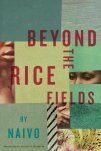
 Alain Mabanckou was born in the Republic of the Congo — not the Democratic Republic of the Congo, the other one, sometimes referred to as Congo-Brazzaville. In his early 20s, he left to study in Paris. Later he moved to the teach in the United States. Then, after more than two decades away, he returned to his hometown, Pointe-Noire, for a visit. In his memoir of the visit —
  David Evans' personal blog