I watched 225 movies in 2024. Here are my favorites (and my least favorite)!

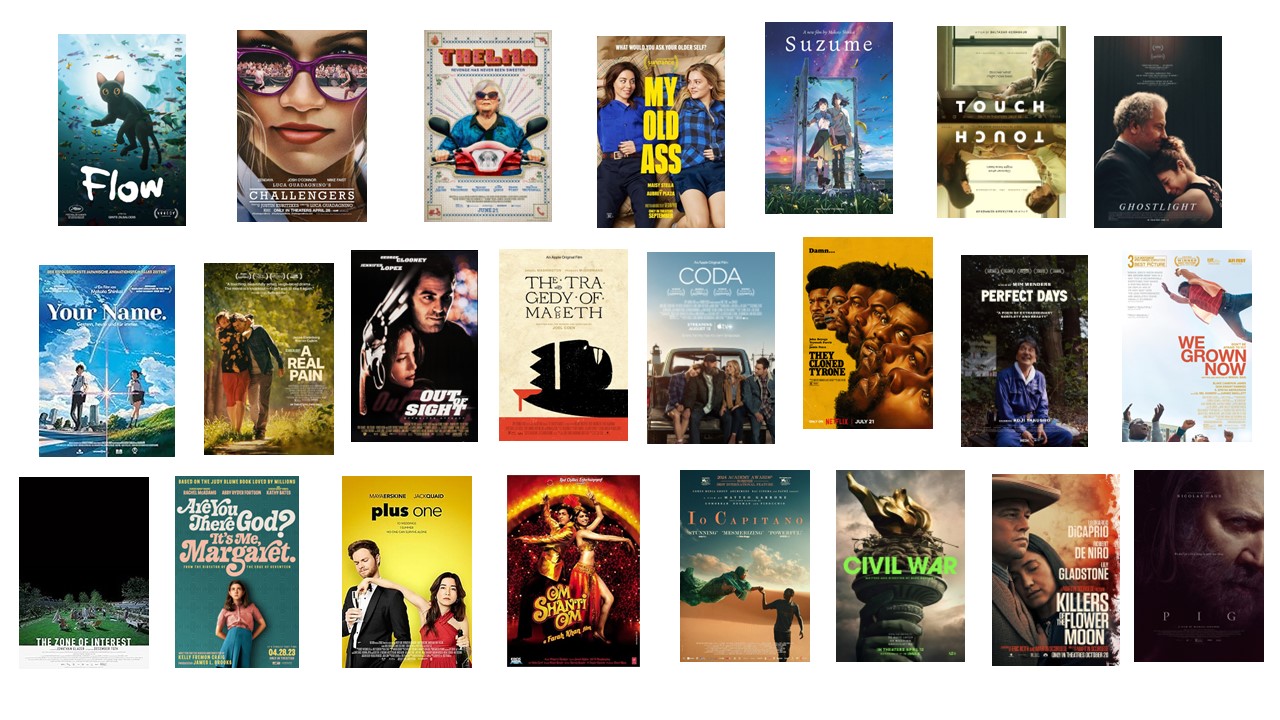
I watched a LOT of movies in 2024. Here, in no particular order, are my top 10 percent (23 movies) and my bottom few.

First, the best! I got a lot out of all of the 23 movies below.

I’ll say something about just a few of these.

  • Flow is a Latvian, no-dialogue, animated film about animals surviving in a post-apocalyptic landscape. I took my two teens and we were all mesmerized for the full running time. Great film.
  • Thelma is an adventure film about an elderly woman who takes on an online scammer. It’s hilarious and sweet. I also took my two teens to this one and they loved it!
  • Challengers: So. Much. Tension! Amazing soundtrack and exciting tennis matches.
  • Ghostlight: A man uses theater to cope with a personal loss. This was a weeper.
  • My Old Ass: The title seems like it’s going to be a crass comedy, and the trailer makes you think it’s going to a science fiction film, but it’s a beautiful coming of age story.
  • They Cloned Tyrone: Both Teyonah Parris and Jamie Foxx are HILARIOUS in this.

I tend to like at least some aspect of most movies I watch. For example, yesterday I saw Mufasa, and while most of it was perfectly fine but forgettable, the opening has a pivotal scene from The Lion King reimagined in comedic fashion and that was worth the whole movie to me.

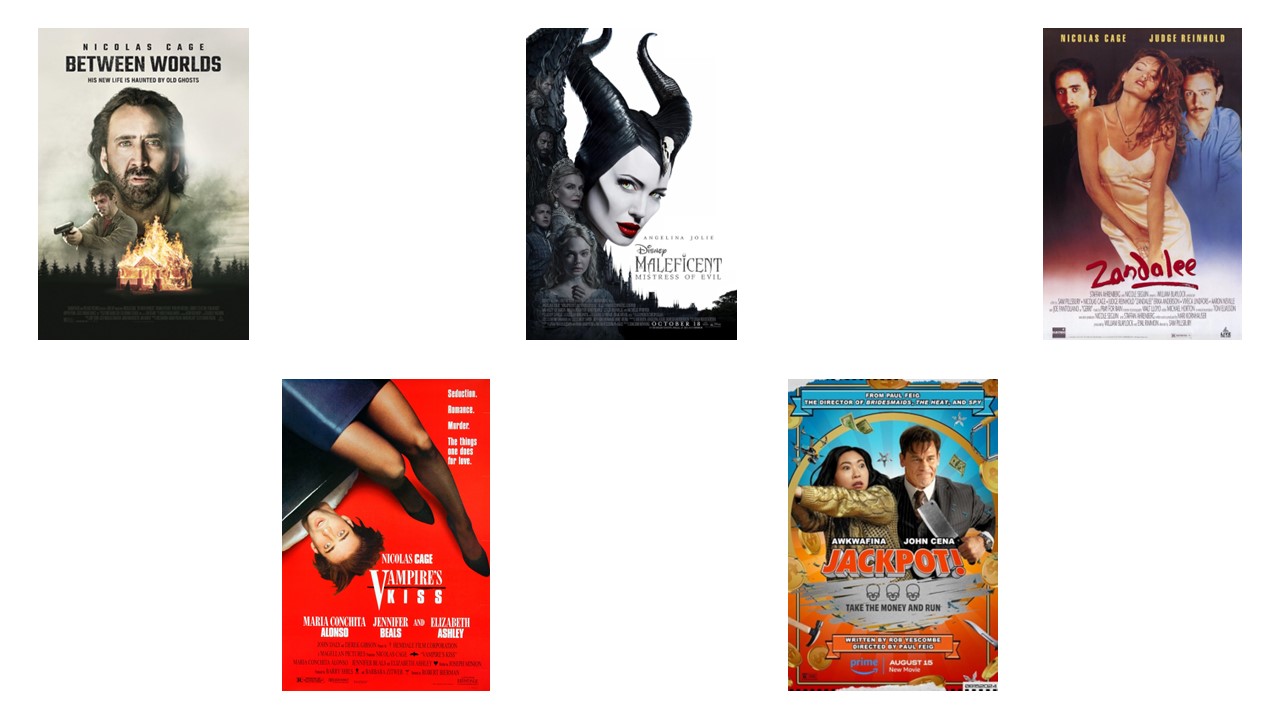
But I did see a few stinkers this year. To adapt Kenan Thompson’s line from the David S. Pumpkins comedy sketch: “With 225 movies, they aren’t all going to be winners!” I feel the need to share a few of those, inspired by the line in Min Jin Lee’s wonderful novel Pachinko: “If you like everything you read [or in this case, see], I can’t take you that seriously.” So here are five that I didn’t like. Three of them are terrible Nicholas Cage movies. (And one of my best movies of the year was a Nicholas Cage movie — Pig. That guy contains multitudes. Or at least multiples.)

Happy viewing!

I read or listened to 73 books in 2024. Here are my favorites.

I enjoyed lots of different kinds of books this year. Here are my top 10 plus some honorable mentions.

Top 10, in no particular order.

I always have trouble recommending books to people, since people are looking for very different things in books. So here’s what to find in each of my top ten.

If you don’t need a lot of plot, but you beautiful prose and deep, thoughtful reflections on friendship, exile, literature, and life, I recommend Hisham Matar’s My Friends. I listened to this one slowly, chewing on each chapter. I liked it even more than Matar’s memoir, The Return, which I also enjoyed.

If you seek a beautiful, gentle book about people who seem to be stuck in their lives learning how to move forward, I recommend Michiko Aoyama’s What You Are Looking For Is In the Library (translated by Alison Watts). That description sounds schmaltzy, but it really isn’t. I found it very moving.

Horror is not a genre of literature that generally draws me, but Mariana Enriquez’s short story collection Things We Lost in the Fire (translated by Megan McDowell) is a powerful reminder of how horror can shine a light on social ills. I wrote this in my longer review: “In almost every story, I found myself both engaged in the plot and the characters but also asking myself, What is this telling me about violence? about gender? about poverty? about class? about connection?” I also listened to this book in Spanish, Las cosas que perdimos en el fuego, and the Enriquez’s original wordplay is even better. I especially enjoyed the stories “Spider Web,” “Adela’s House,” and “The Neighbor’s Courtyard.”

Before reading Luis Alberto Urrea’s novel Good Night, Irene, I’d never heard of the “clubmobiles,” a mobile service during World War II. But this deeply researched (the author’s note at the end is first class) and moving novel about women serving in a largely forgotten capacity during the war is wonderful. It brought me to tears.

If you’re up for some very dark comedy, James Hannaham’s Didn’t Nobody Give a Shit What Happened to Carlotta invites us into the company of an Afro-Colombian trans-woman as she spends her first weekend out of prison. With flashbacks to her time in prison, there is some tough stuff here. But Carlotta is an amazing protagonist. The audiobook, read by Hannaham as well as Flame Munroe, is an excellent performance.

If you like a thriller, S.A. Cosby’s All the Sinners Bleed, about an African-American sheriff trying to stop a serial killer in a southern Virginia town is top notch. Lots of excitement, lots of race drama, plus meditations on faith and references to Yeats and Shakespeare.

If you’re up for cringe comedy, R. F. Kuang’s Yellowface is a hilarious takedown of the publishing industry. A character vaguely presents as Asian to sell a book that she stole from her deceased friend. I couldn’t stop listening to this protagonist making bad decision after bad decision.

If you want to follow a trio of friends over decades, try Gabrielle Zevin’s Tomorrow, and Tomorrow, and Tomorrow, about video game designers pushing the boundaries of design and friendship. It’s a moving story; I didn’t think the ending was as strong as the start and middle, but I was thoroughly engaged. I have no interest in video games, but Zevin made me care.

If you want pure, silly fun in the form of a surreal thriller, I recommend Bob Mortimer’s The Satsuma Complex. The audiobook (read by Mortimer and Sally Phillips) is absolutely hilarious. A legal assistant gets mixed up in intrigue, there’s a talk squirrel, the cast of characters is wacky and wild. Funnest book I read this year.

And the one re-read (and the one graphic novel) in my top ten is My Favorite Thing Is Monsters: Volume 1. From my longer review: “This is a dark coming-of-age tale: ten-year-old Karen Reyes (living in 1960s Chicago) experiences traumas that no child should have to, even as she learns of the intense traumas of others while trying to solve the mystery of her murdered neighbor. She processes some of her experiences and feelings and identity by identifying with … monsters: she disguises herself as a monster, and every few pages of this graphic notebook fictional memoir is the cover of a horror comic book. Anyway, my review is all over the place in part because the book is so FULL: the feelings and the art and the characters and the action and the plot. The Holocaust, queer identity, civil rights, class divides. It’s all here, and it all somehow hangs together. I’ve never read a graphic novel like this one.” (And I’ve read a few.)

In addition to my ten best, I’ll add six honorable mentions:

  • Shirley Jackson: A Rather Haunted Life, by Ruth Franklin. “I read this biography in tandem with other of Jackson’s work: a short story collection (Dark Tales) and a graphic adaptation of her most famous story (Shirley Jackson’s “The Lottery”: The Authorized Graphic Adaptation). A year or so ago I read one of Jackson’s two most famous novels, The Haunting of Hill House. I think that this biography will be most enjoyed with a familiarity with Jackson’s work. But Franklin is a skilled chronicler and I’m excited to read more of her work” (from my longer review).
  • Teen Couple Have Fun Outdoors, by Aravind Jayan. “In Trivandrum, a city in Kerala, India, a couple of college kids are fooling around in a secluded spot, and—unbeknownst to them—they’re being filmed. Later, the footage makes its way to a pornographic website, local people start discovering the video, and everything goes pear-shaped. This might sound like a spicy novel, but it’s not at all (besides a brief, oblique description of the video). Rather, it’s a fascinating exploration of intergenerational dynamics, of siblings mediating between parents and other siblings, of how (to quote Tolstoy) ‘each unhappy family is unhappy in its own way'” (from my longer review).
  • The Song of Achilles, by Madeline Miller. A beautifully written retelling of the story of Achilles, told by his companion Patroclus.
  • American Zion: A New History of Mormonism, by Benjamin Park. This is the single volume history of the Church of Jesus Christ of Latter-day Saints that I’d most recommend. Lots of representation of underrepresented groups. Lots of focus on how conflict within the organization led to changes. I learned a lot (and I’ve read a bit in this space).
  • Anansi’s Gold: The Man Who Looted the West, Outfoxed Washington, and Swindled the World, by Yepoka Yeebo. This intertwines the story of a very long con by a Ghanaian man with the post-independence history of Ghana. Both strands are fascinating. It took me a while to get into it but ultimately pretty awesome.
  • The Magician’s Nephew, by C.S. Lewis (audiobook narrated by Kenneth Branagh). This is my favorite of the Narnia books, and Branagh’s narration is great.

Happy reading in 2025!

Poet Mary Oliver on scheduled writing sessions

If Romeo and Juliet had made appointments to meet, in the moonlight-swept orchard, in all the peril and sweetness of conspiracy, and then more often than not failed to meet — one or the other lagging, or afraid, or busy elsewhere — there would have been no romance, no passion, none f the drama for which we remember and celebrate them. Writing a poem is not so different — it is a kind of possible love affair between something like the heart (that courageous but also shy factory of emotion) and the learned skills of the conscious mind. They make appointments with each other, and keep them, and something begins to happen. Of they make appointments with each other but are casual and often fail to keep them: count on it, nothing happens.

I have no aspiration to write poetry, but I daresay a morsel of this applies to my own writing. This is from the late, great Mary Oliver’s A Poetry Handbook: A Prose Guide to Understanding and Writing Poetry.

On audiobooks

Robert Kwasny shares some reflections on audiobooks on the Marginal Revolution blog. Here a few reflections of my own:

  1. Full cast audiobook narrations can be delightful. Lincoln in the Bardo, by George Saunders, with 166 voice actors, is the superlative example, but there are many others.
  2. Comedy books narrated by comedians are great, because you get the delivery as well as the content. Tina Fey’s Bossypants, Amy Poehler’s Yes, Please, and Bob Newhart’s I Shouldn’t Even Be Doing This! are all good examples.
  3. Books where the accent or voice of the book’s narration would ideally be in a very different accent or voice from my own (e.g., from other countries or other regions) can be great if the audiobook narrator gets it right (which they often do in modern audiobooks).
  4. Kwasny mentions that self-help books are poor audiobooks because you can’t skip the boring parts. My solution to this is to listen at higher speeds for books with a lower good content-to-size ratio. I find it a great way to speed through self-help books with some good content but also filler.

A few years ago I wrote a primer for getting started on audiobooks. Most library systems in the U.S. seem to have free audiobooks you can download to your smartphone.

Here are the audiobooks I’ve listened to and enjoyed so far in 2020:

Stories of Your Life and Others audiobook cover art
She Said audiobook cover artThe Smartest Kids in the World audiobook cover artMy Sister, the Serial Killer audiobook cover artDjinn Patrol on the Purple Line audiobook cover artThe Plague audiobook cover artThe Deerslayer audiobook cover artI'm Still Here audiobook cover artThe Emissary audiobook cover artKingdom of Nauvoo audiobook cover artLe Petit Prince audiobook cover art

The top 10 graphic works of 2019

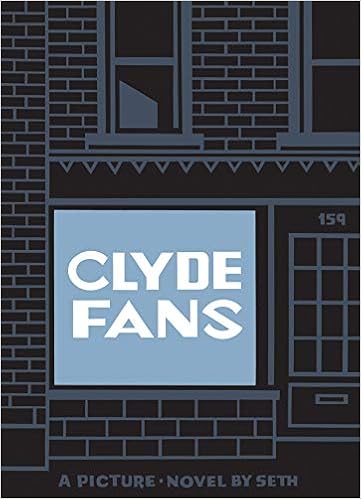
I compiled 11 “best of 2019” lists for graphic novels, graphic memoirs, comics, and the like, and one graphic novel was on seven of the lists: Clyde Fansby Seth.

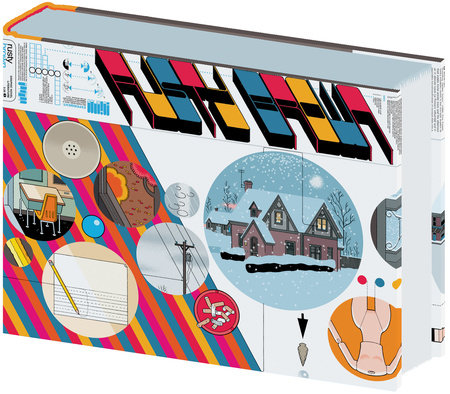
Another was on six of the lists: Rusty Brown, by Chris Ware.

Rusty Brown by Chris Ware

Eight more graphic novels or memoirs were on three “best of” lists each.

You can see the full list of 89 graphic works that appear on any of the 11 “best of” lists, as well as my compilations from previous years, here.

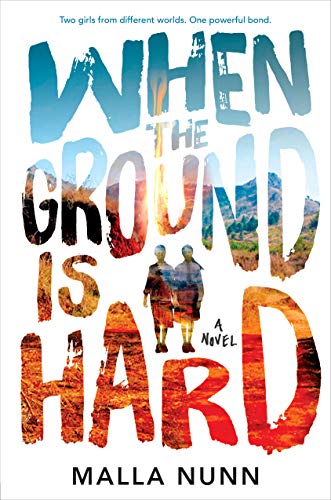
Read African Writers: When the Ground Is Hard, by Malla Nunn

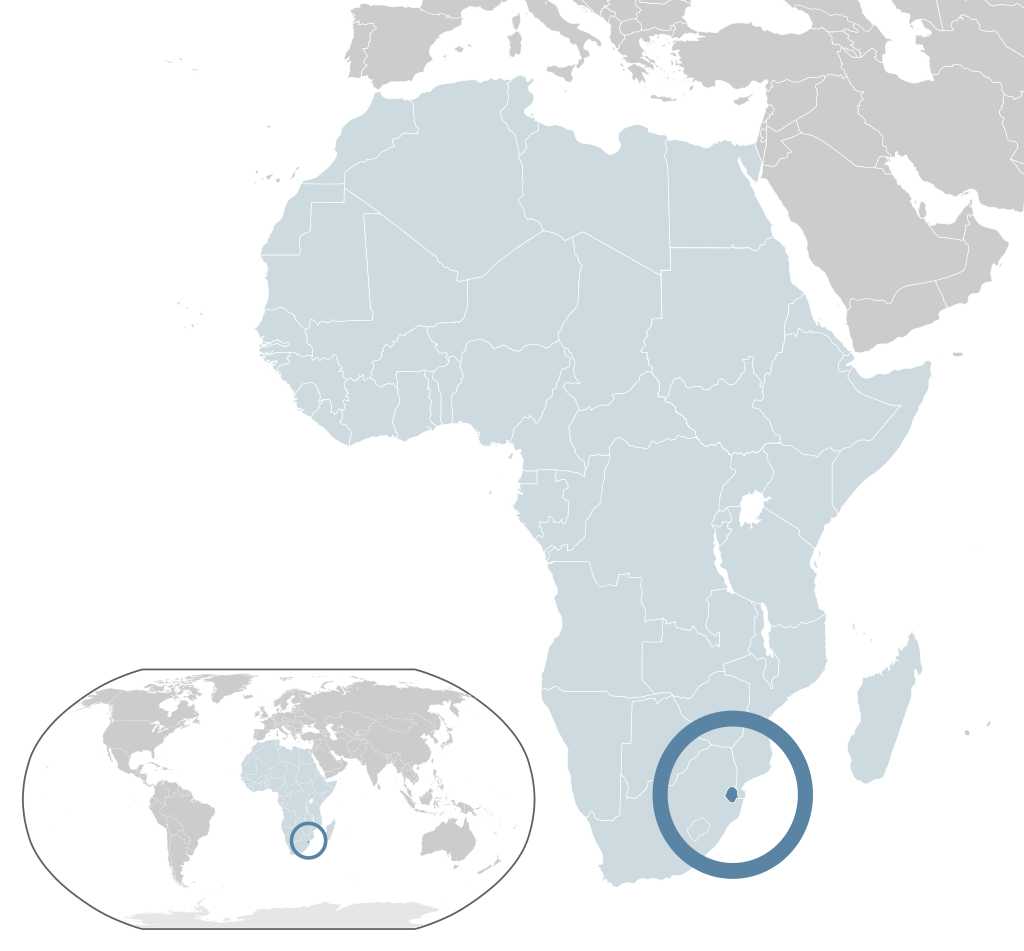
when the ground is hardeswatiniAs Adele boards the bus to return to her boarding school for mixed-race students in Apartheid-era Swaziland (now eSwatini), she learns that a wealthier girl has taken her place in the clique of powerful, popular girls. She suddenly finds herself rooming with Lottie, a low-income student with little respect for social norms, in a room last used by a student who died. But over the course of a school year, a series of adventures and a shared copy of the novel Jane Eyre bring the girls together. In this sweet, engaging book, Swazi born and raised writer Malla Nunn draws on her own experiences (as she discusses here) to explore both class and race issues in southern Africa. When the Ground Is Hard is targeted to young adults but I thoroughly enjoyed it. Bahni Turpin reads the unabridged audiobook well.

Here are a few passages that stood out to me:
  • On teacher effort in science class: “Mr. Newman, who smells of aftershave and leans too close to girls, starts the lesson with a basic ‘name three planets, three trees, and three mammals’ test that all but the thickest students will pass. Mr. Newman is lazy, and teaching us new things requires effort.”
  • On race relations: “Mother says poor white people are the most dangerous. Some of them have less money than we do, and they hate us for it. From the moment we slide into the world with our mixed blood and mixed features, we live below them, no matter how stupid or hopeless they are.” [Later] “Mother says that poor white people are dangerous because only a thin layer of skin makes them kings of the land, but it’s not enough to save them from the pity of other whites or the silent contempt of natives who must suffer their cruelty.”
  • On the contrast between literature figure Jane Eyre and her fiction friend Helen Burns: Jane “has a temper. Her mouth doesn’t hurt from smiling. She’s the one who gets to live and write the book.”
  • On class: “No-fee students get smaller portions of food. Their stomachs are always empty, and that’s not how things should be.”

Here are what a few other reviewers thought:

  • Kirkus Reviews: “With a critical emphasis on power dynamics among the multiracial students, the story moves quickly… An engrossing narrative that gently but directly explores complex relationships.”
  • Diane Colson, Booklist: “Despite the predictable arc of the story, excellent writing and an evocative setting make this novel a standout.”
  • Bailey Riddle, Riddle’s Reviews: “When the Ground is Hard is a beautiful book about family and finding oneself. I am so happy that I gave this book a chance with an open mind.”
  • Compass Book ratings: “Those who enjoy a coming-of-age story with a great moral lesson or two will love When the Ground is Hard.”

This is book #28 in my effort to read a book by an author from every African country in 2019.

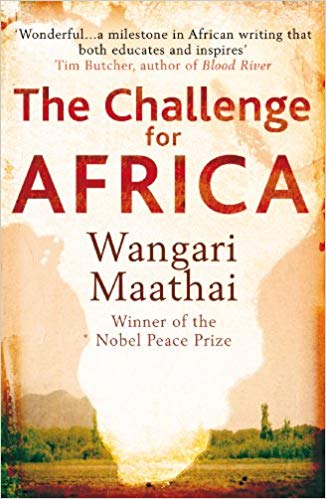
Read African Writers: The Challenge for Africa, by Wangarĩ Maathai

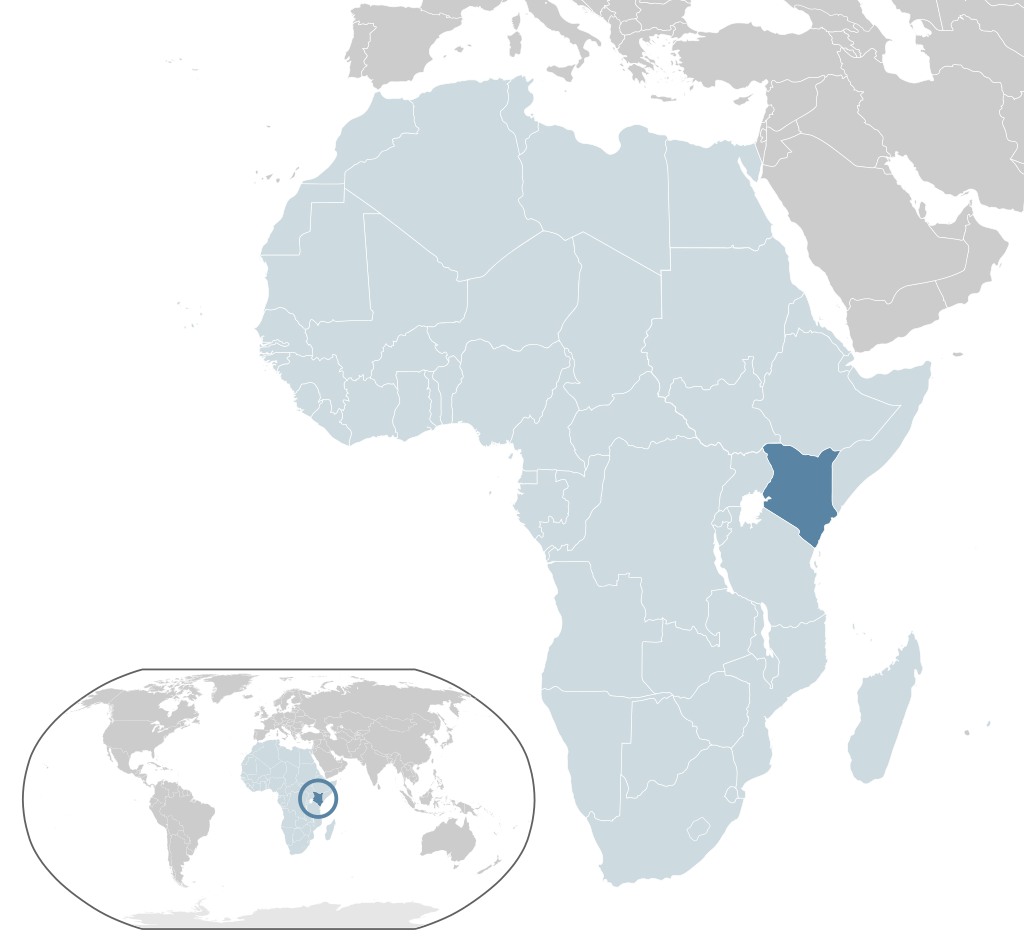
the challenge for africakenyaThe late, great Dr. Wangarĩ Maathai has no shortage of accomplishments. Hailing from Kenya, she was the first East African woman to receive a PhD and the first African woman to receive the Nobel Peace Prize. She was a professor, a politician, and an activist. In 2009, just two years before her death, she published The Challenge for Africa, her broad vision of the challenges and solutions facing her continent. Dr. Maathai was an environmentalist and clearly believed that there was no lasting prosperity for the people of Africa without caring for the earth beneath their feet. This wide-ranging book provides thoughtful insights — born from years of experience — on a host of issues. I didn’t agree with every proposal (and her optimism about the Millenium Villages Project did not age well, in my opinion), but there is much of value here. Here are a few thoughts that stood out to me.

  • On global responsibility to Africa: “Instead of milking the cow called Africa to death, everyone should feed, nurture, and love her so she can thrive and provide.”
  • On local responsibility for African development: “Ultimately the fate of the continent depends on its citizens. It cannot be overemphasized: Africans must decide to manage their natural resources responsibly and accountably, agree to share them more equitably, and use them for the good of fellow Africans.”
  • On history and colonialism: “Those who wrote the history of Africa that is taught in schools were often the perpetrators of the wrongs that were done and wrote from their perspective. Quite obviously, they preferred to ‘forget and move forward.'”
  • On aid: “While I applaud the motives of the international community in providing technical and financial assistance to developing countries, including those in Africa, I do question how much good aid does versus how much damage it may do to the capacity of the African peoples to engineer their own solutions to their many problems.”
  • On depictions of Africa in the media: “As someone who raises funds to support work in Africa, I understand the importance of images, and recognize that pictures of Africans in dire circumstances can, ultimately, lead to positive actions from those who are moved to want to help. However, on balance, I find these representations–and the associations they bring with them–demonstrably negative, perhaps even shameful, since they risk stereotyping all countries south of the Sahara as places of famine, death, and hopelessness. Because the children or adults pictured are rarely named, they people remain abstract, symbolic, and no longer individuals. That starving toddler or weeping mother or child soldier is ‘Africa.’ This projection only makes the task more difficult for those of us on the ground trying to help Africans to help themselves.”
  • On the use of colonial languages: “Even if another national language has been adopted, such as Kiswahili in the case of Kenya, the great mass of rural populations neither speak nor understand it fluently. It is my belief that denying someone the ability to communicate with their government, at least at the local level, is one of the strongest forms of discrimination and, indeed, means of oppression and exclusion.”
  • On climate change: “It is in repulsing the sands of deforestation and climate change that the genuine battle for national and human security lies.”

There is much more. I appreciated the book, although I did find myself wishing I had read her memoir, Unbowed. She lived an amazing life, and while we get glimpses of that here, I wished for more. I’m putting Unbowed on my “to read” list.

This is book #20 in my effort to read a book by an author from every African country in 2019.

Read African Writers — The Sea-Migrations: Tahriib, by Asha Lul Mohamud Yusuf

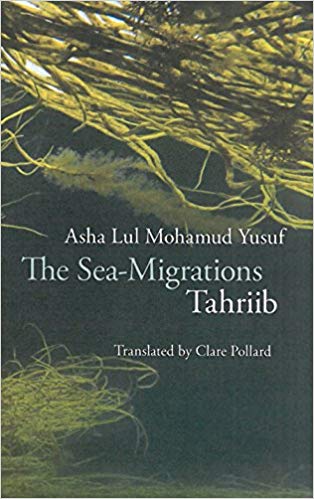
Sea-MigrationssomaliaAsha Lul Mohamud Yusuf writes powerful, evocative poetry. She fled civil conflict in Somalia in 1990 and emigrated to the UK. In her brief collection (just 17 poems) — The Sea-Migrations: Tahriib, with the original Somali poems on the left and the English translations on the right, Yusuf traverses despair about Somalia’s ongoing conflicts, the importance of journalists, love, and — repeatedly — frustration with Somalia’s leaders and longing prayers for better representatives. Like much good poetry, much of what she writes both applies to Somalia’s challenges and transcends them. When she writes, in “The Writer’s Rights,” that

Journalists were jailed…
Injustice is infectious,
your children are not safe,
your elders are not safe,
they will wipe out your women.

I was reminded of German pastor Martin Niemöller’s poem, “First they came for the socialists, and I did not speak out– Because I was not a socialist…”

In “Thirst,” when she writes of

This man we selected
to…serve as our ruler
turns out to be shoddy
with a squirming brain
and a slumbering conscience
who can’t refrain from causing shame.

I couldn’t help but think of other countries who have turned to boorish, embarrassing leaders in recent years. And, much more locally, when she writes in “The Scab” that “I’m not prepared to give you a poem which is a half-empty milk-vessel full of unsealable holes,” I remembered how I feel when people ask for early versions of my own writing.

Of course, translations — especially poetry translations — are an art of their own. Clare Pollard, a skilled poet in her own right, has translated these, with input from Said Jama Hussein and Maxamed Xasan ‘Alto’. Her introductory essay on the translation process is fascinating in its own right, as is Sarah Maguire opening essay on how Yusuf fits into Somalia’s rich poetic tradition. Don’t miss the glossary at the end, either!

You can listen to both the original Somali and the English translation of one of the poems — “Disorientation” — read by Yusuf and Pollard here.

Here is what a few other reviewers had to say:

Maria Castro Domínguez, Mslexia: “Asha Lul Mohamud Yusuf´s poetry collection The Sea-Migrations Tahriib is an exhilirating exploration of Somalia, its culture, its nature, its politics and its people; all conjured by Asha´s shining language creatively translated with an update style by another brilliant poet, Clare Pollard,  which brings it much closer to the reader. The original poems and their translation sit side by side allowing us to capture form, space and sound –so essential to poetic meaning- all at once. Both poets make magic together.”

Momtaza Mehri, Poetry London: “The Sea-Migrations is a narratively fertile collection that confronts the silences of national traumas. In these poems, grief announces itself. Yusuf, however, is never exploitative or gratuitous in her depiction of the violence of refugee life. Her verses are imbued with an unswerving responsibility to honour the suffering of her people… The Sea-Migrations is a compelling addition to the growing canon of diasporic Somali voices as well as a powerful reminder that exile is something generations of refugees carry with them, whether they want to or not.” (There’s a lot of useful analysis in this review.)

Jeremy Noel-Tod, The Times: “Sometimes a book reminds us of poetry’s real electric force in the world.  Yusuf is a brilliant young Somali poet living in exile in London, who takes ‘history’s point/to ink a beautiful literature.’… Translated into lapel-grabbing alliterative verse by Clare Pollard, these piercingly direct poems throw open a window onto a war-torn country and its wretchedly displaced people.”

Carol Rumens, The Guardian: “Performance poetry often dies on the page. But the work of Somalian poet Asha Lul Mohamud Yusuf is an exception, strengthened by a highly craft-conscious, perhaps troubadour-like, oral culture. Though the rhetoric is impassioned and the diction down-to-earth, there are no simplistic politics lectures in her dual-language, Somali-English collection.”

Read African Writers: The Queue, by Basma Abdel Aziz

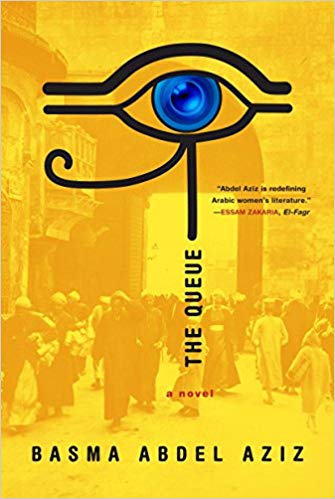
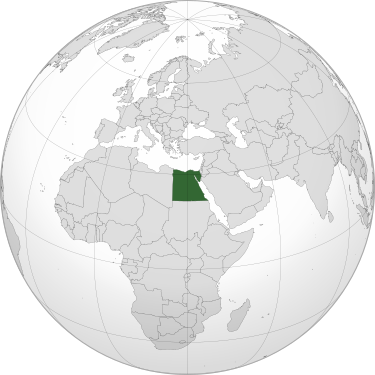
the queueegyptWelcome to a totalitarian regime with a byzantine bureaucracy that centers on one very long queue. Basma Abdel Aziz’s beautiful and maddening tale features Yehya, a man who was shot during a series of unnamed “disgraceful events.” In order to get surgery to remove the bullet — or to obtain any of a mass of services — he and thousands of others have to go and wait in line (the queue). People sleep in the queue. “Everyone expected the queue to move at any minute, and they wanted to be ready.” Yehya’s friends try to circumvent the bureaucracy, but the results are frustrating at best and violent at worst.

In the midst of all this, certain “riffraff” begin agitating for change, but most of those in the queue wish they would go away. “Life in the queue had been relatively orderly and stable before the Riffraff’s arrival; there were recognized rules and limits, which everyone accepted and everyone followed.” Better the gridlock you know than the upheaval you don’t?

Elisabeth Jaquette translated the book into English, and Mark Bramhall narrates the competent audiobook.

Highly recommended.

Here are a couple of other bits:
  • On official government statistics: “Those conducting the poll had therefore decided not to conduct one again. To simplify matters, they would announce the previous poll’s results on a set yearly date.”
  • On obtaining documents from the government: “Obtaining any document from that place was like plucking a piece of meat from the mouth of a hungry lion.”
  • On addressing symptoms rather than causes of problems: “Officials were investigating the possibility of placing parasols near places of heavy traffic, to calm citizens’ nerves and reduce their irritability.”
If I haven’t convinced you, check out what these other reviewers have to say:

Carmen Maria Machado, NPR: “The Queue is the newest in this genre of totalitarian absurdity: helpless citizens — some hopeful, some hopeless — struggling against an opaque, sinister government, whose decrees, laws, propaganda, and red tape would be comical if they weren’t so deadly serious.”

Pasha Malla, Globe and Mail: “Basma Abdel Aziz’s novel is not simply an exegesis on the state of her homeland, but a much more universal evocation of the relationships between hegemonic power and grassroots dissent. It feels both fitting and faintly tragic that she had to resort to the literature of dark fantasy to convey it.”

Publishers Weekly: “At its best, the novel captures a sense of futility and meaninglessness, but its impersonal tone and uneventful middle contribute, at times, to a lack of urgency.”

What I’ve been reading

January was a productive month for reading! Poetry, graphic novels, prose novels, it’s all here!
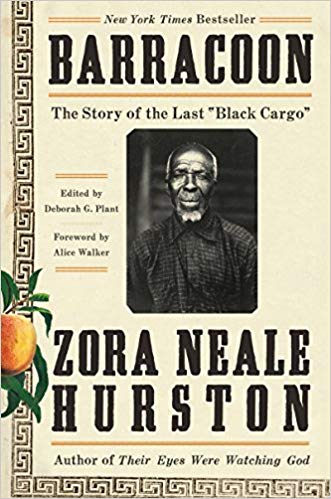
barracoonBarracoon: The Story of the Last “Black Cargo,” by Zora Neale Hurston — Back in the 1930s, Hurston intervewed the last surviving person who had been brought from Africa as part of the slave trade, Cudjo Lewis. In his own vernacular, Hurston tells his story. An amazing window into a piece of African and American history.
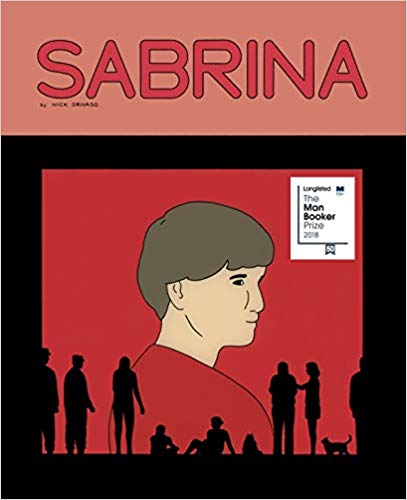
sabrinaSabrina, by Nick Drnaso — Sabrina was on 7 “best graphic works of 2018” lists, more than any other book. A man’s girlfriend disappears, and an old high school friend takes the desolate man in. The deserted man spends his days listening to “Infowars”-style talk radio. The friend deals with having lost his family. It’s all dread and hopelessness. It was good but it didn’t bowl me over. (Drnaso writes in a very small font, which I find distracting.)
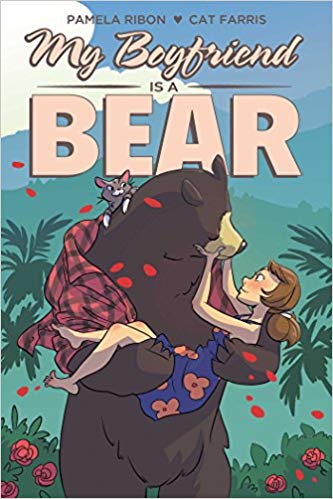
my boyfriend is a bearMy Boyfriend Is A Bear, by Pamela Ribon, art by Cat Farris — A twentysomething woman in a terrible job ditches the last in a series of terrible boyfriends — the sequence on previous boyfriends is hilarious — and starts dating a bear that wandered out of the mountains during the California wildfires. Can their love overcome hibernation season? And the fact that the guy is a bear? Sweeter and less weird than it sounds, but it still a little weird. Author was a screenwriter for Moana and Ralph Breaks the Internet. The art is sunny and fun. [Content: Some adult language, but that’s about it.] This from Publisher’s Weekly: “Ribon’s use of magical realism is a delight from cover to cover, as she cleverly navigates the foibles of millennial dating and friendships. Farris’s cartooning is as expressive as it is adorable, inviting the reader to share Nora and the bear’s intimacy with every panel. This resonant, absurdist modern fable is a joyful discovery.” On 2018’s “best graphic works” list.
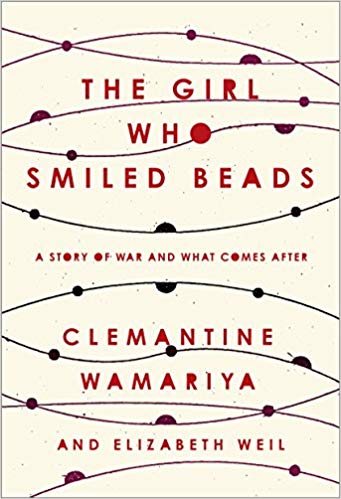
the girl who smiled beadsThe Girl Who Smiled Beads: A Story of War and What Comes After, by Clemantine Wamariya and Elizabeth Weil — Wow. Clemantine Wamariya was just six when the Rwandan genocide took place. Separated from the rest of her middle class family, she and her teenage sister Claire traverse several countries, in and out of refugee camps. Eventually they make it to the USA. The book gives a devastating portrait of how conflict and being a refugee can affect a child, and how a young woman seeks to make sense of her experience, including through literature, from Elie Wiesel to W.G. Sebald. Beautiful and gripping and thoughtful. Highly recommended. (More from me on this here.)
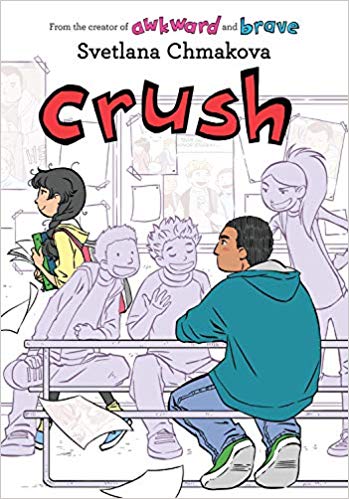
crushCrush, by Svetlana Chmakova — This is the third book in Chmakova’s series taking place at Berrybrook Middle School, but you can read them in any order. This and the previous — Brave — are my favorites. She captures the emotion of middle school just wonderfully and introduces us to sweet and not-so-sweet kids, trying to get through the day.
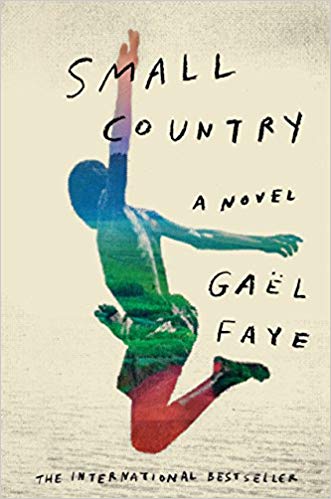
small countrySmall Country, by Gaël Faye — Rwanda’s neighbor to the south, Burundi, gets far less attention but also has a deeply troubled history. Faye, born and raised in Burundi to a French father and a Rwandan refugee mother, gives a glimpse at life over the course of coups, civil war, and stealing mangos with the neighborhood boys in this autobiographical novel. Beautifully written and very evocative. (More from me on this here.)
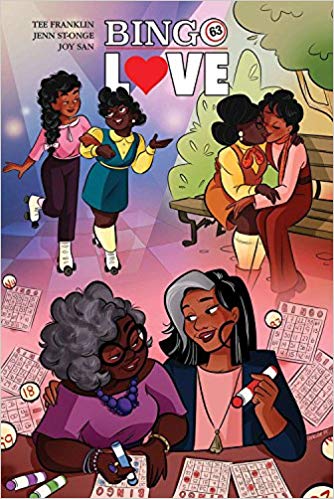
bingo loveBingo Love, by Tee Franklin, illustrated by Jenn St-Onge and Joy San — This brief graphic novel tells the story of two African American women who fall in love in the 1960s but lose each other and don’t meet again for decades. Sweet, but a bit too brief to plumb the emotional depths. I was sympathetic to some (not all) of the critiques made in this review. Still, a likable story that fills a gap in representation.
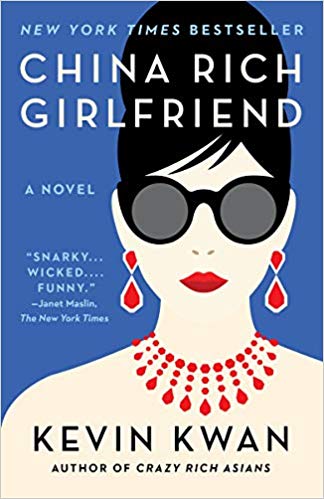
china rich girlfriendChina Rich Girlfriend, by Kevin Kwan (narrated by Lydia Look) — Rachel Chu finds her father! Mayhem ensues. Crazy, silly fun. Some awesomely bizarro plot twists towards the end.
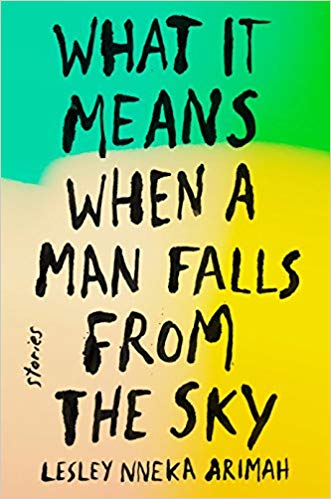
what it means when a man falls from the skyWhen It Means When a Man Falls from the Sky, by Lesley Nneka Arimah — I listened to this book last year and loved it. I just re-listened to it and found it just excellent. Mostly realist, with an occasionally bit of fantasy sprinkled in to explore deeper truth. Arimah creates captivating worlds. (More from me on this here.)
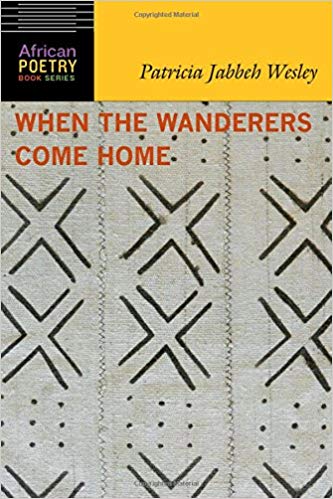
when the travelersWhen the Wanderers Come Home, by Patricia Jabbeh Wesley — Wesley returns to her homeland of Liberia and characterizes it in this collection. Beautiful, tragic reflections of the legacy of war (and lots of other stuff, too). (More from me on this here.)
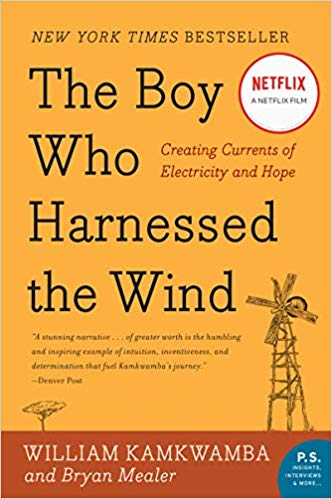
the boy who harnessed the windThe Boy Who Harnessed the Wind: Creating Currents of Electricity and Hope, by William Kamkwamba and Bryan Mealer (narrated by Chike Johnson) — A young man in Malawi has to drop out of secondary school for lack of funds, but with an interest in electronics, access to a library, and incredible tenacity, he builds a windmill to generate electricity for his family. True story. (More from me on this here.)
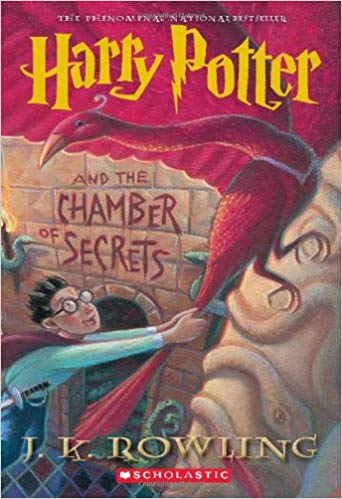
harry potter and the chamber of secretsHarry Potter and the Chamber of Secrets, by J.K. Rowling — Lockhart is a fun character, but the kids make some truly stupid choices toward the end, which lessened my enjoyment of the book.
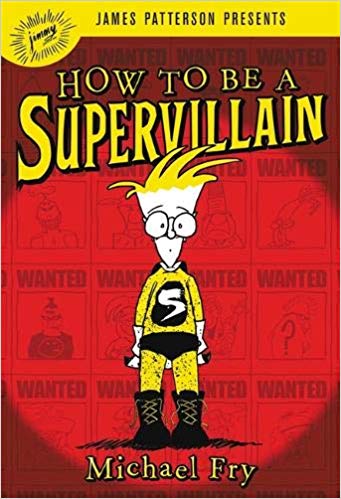
how to be a supervillainHow to Be a Supervillain, by Michael Fry — Victor is the son of second-rate supervillains (maybe just villains?), who apprentice him with another supervillain. The only problem? Victor is fundamentally good. This is light and silly fun. My favorite part was all the kooky minor supervillains and superheroes that come up (as in that old movie Mystery Men). I read it with my sons.