I watched a LOT of movies in 2024. Here, in no particular order, are my top 10 percent (23 movies) and my bottom few.
First, the best! I got a lot out of all of the 23 movies below.
I’ll say something about just a few of these.
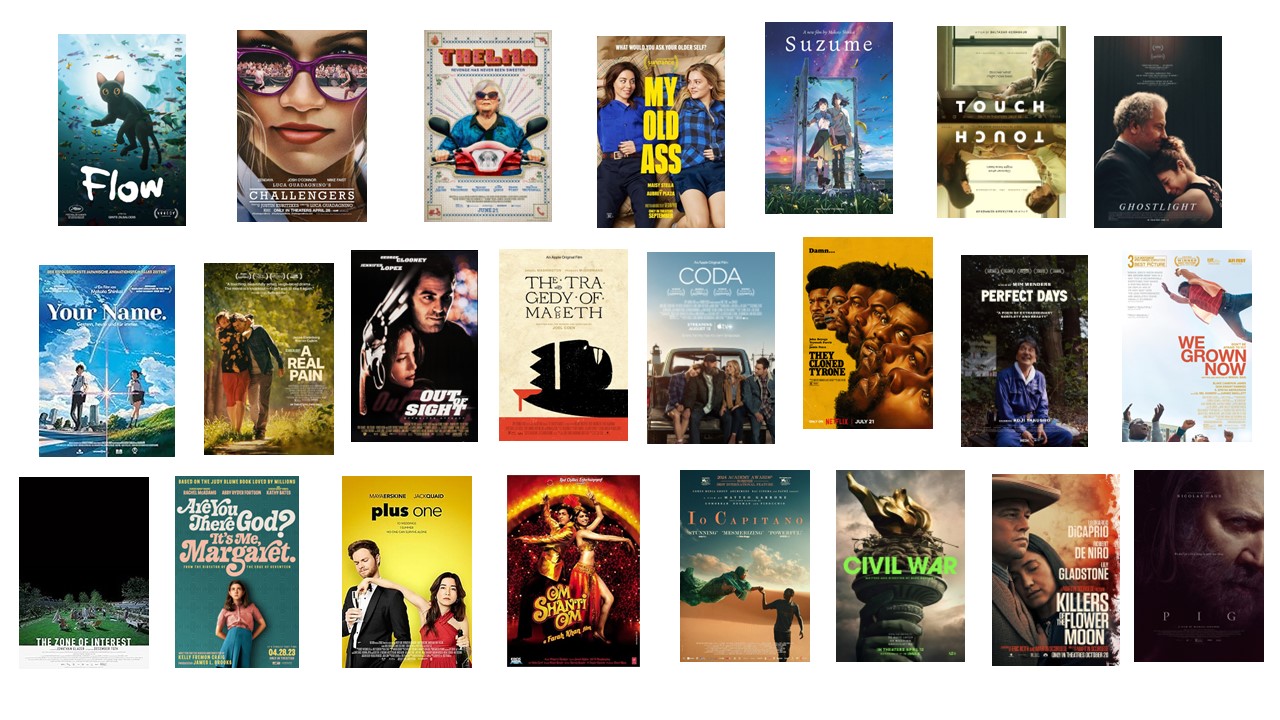
Flow is a Latvian, no-dialogue, animated film about animals surviving in a post-apocalyptic landscape. I took my two teens and we were all mesmerized for the full running time. Great film.
Thelma is an adventure film about an elderly woman who takes on an online scammer. It’s hilarious and sweet. I also took my two teens to this one and they loved it!
Challengers: So. Much. Tension! Amazing soundtrack and exciting tennis matches.
Ghostlight: A man uses theater to cope with a personal loss. This was a weeper.
My Old Ass: The title seems like it’s going to be a crass comedy, and the trailer makes you think it’s going to a science fiction film, but it’s a beautiful coming of age story.
They Cloned Tyrone: Both Teyonah Parris and Jamie Foxx are HILARIOUS in this.
I tend to like at least some aspect of most movies I watch. For example, yesterday I saw Mufasa, and while most of it was perfectly fine but forgettable, the opening has a pivotal scene from The Lion King reimagined in comedic fashion and that was worth the whole movie to me.
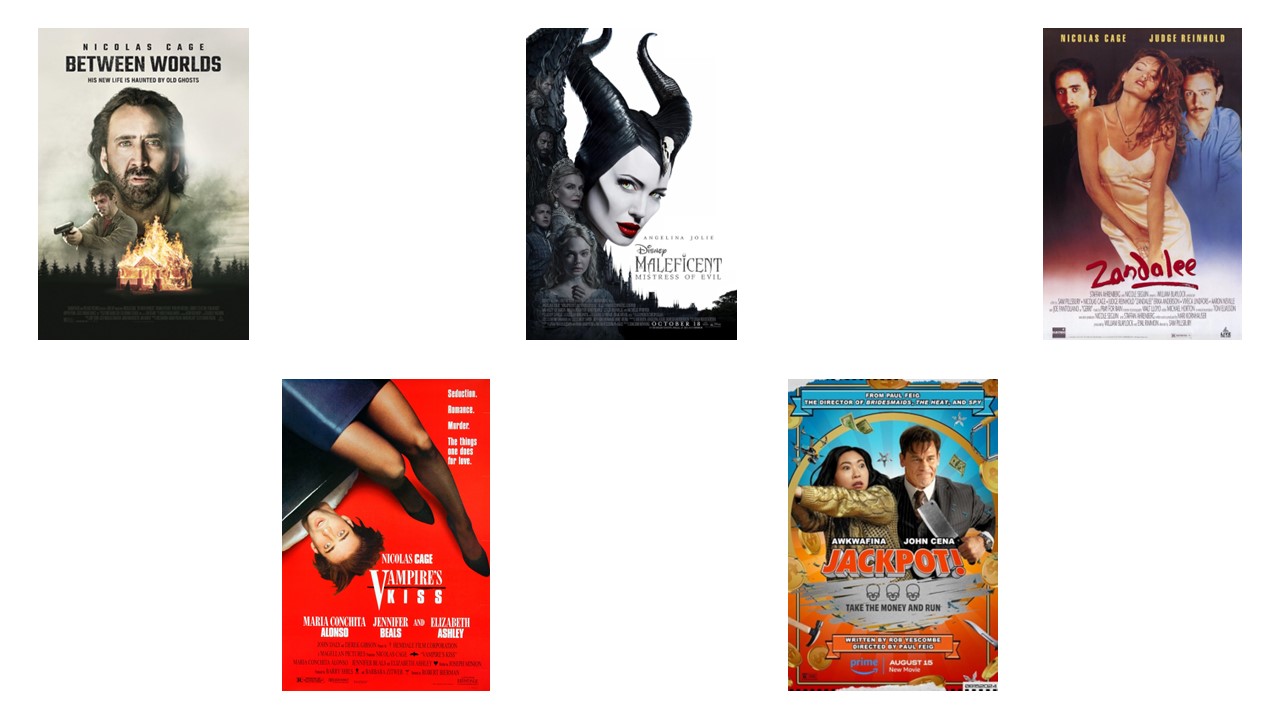
But I did see a few stinkers this year. To adapt Kenan Thompson’s line from the David S. Pumpkins comedy sketch: “With 225 movies, they aren’t all going to be winners!” I feel the need to share a few of those, inspired by the line in Min Jin Lee’s wonderful novel Pachinko: “If you like everything you read [or in this case, see], I can’t take you that seriously.” So here are five that I didn’t like. Three of them are terrible Nicholas Cage movies. (And one of my best movies of the year was a Nicholas Cage movie — Pig. That guy contains multitudes. Or at least multiples.)
I enjoyed lots of different kinds of books this year. Here are my top 10 plus some honorable mentions.
Top 10, in no particular order.
I always have trouble recommending books to people, since people are looking for very different things in books. So here’s what to find in each of my top ten.
If you don’t need a lot of plot, but you beautiful prose and deep, thoughtful reflections on friendship, exile, literature, and life, I recommend Hisham Matar’s My Friends. I listened to this one slowly, chewing on each chapter. I liked it even more than Matar’s memoir, The Return, which I also enjoyed.
If you seek a beautiful, gentle book about people who seem to be stuck in their lives learning how to move forward, I recommend Michiko Aoyama’s What You Are Looking For Is In the Library (translated by Alison Watts). That description sounds schmaltzy, but it really isn’t. I found it very moving.
Horror is not a genre of literature that generally draws me, but Mariana Enriquez’s short story collection Things We Lost in the Fire (translated by Megan McDowell) is a powerful reminder of how horror can shine a light on social ills. I wrote this in my longer review: “In almost every story, I found myself both engaged in the plot and the characters but also asking myself, What is this telling me about violence? about gender? about poverty? about class? about connection?” I also listened to this book in Spanish, Las cosas que perdimos en el fuego, and the Enriquez’s original wordplay is even better. I especially enjoyed the stories “Spider Web,” “Adela’s House,” and “The Neighbor’s Courtyard.”
Before reading Luis Alberto Urrea’s novel Good Night, Irene, I’d never heard of the “clubmobiles,” a mobile service during World War II. But this deeply researched (the author’s note at the end is first class) and moving novel about women serving in a largely forgotten capacity during the war is wonderful. It brought me to tears.
If you’re up for some very dark comedy, James Hannaham’s Didn’t Nobody Give a Shit What Happened to Carlottainvites us into the company of an Afro-Colombian trans-woman as she spends her first weekend out of prison. With flashbacks to her time in prison, there is some tough stuff here. But Carlotta is an amazing protagonist. The audiobook, read by Hannaham as well as Flame Munroe, is an excellent performance.
If you like a thriller, S.A. Cosby’s All the Sinners Bleed, about an African-American sheriff trying to stop a serial killer in a southern Virginia town is top notch. Lots of excitement, lots of race drama, plus meditations on faith and references to Yeats and Shakespeare.
If you’re up for cringe comedy, R. F. Kuang’s Yellowface is a hilarious takedown of the publishing industry. A character vaguely presents as Asian to sell a book that she stole from her deceased friend. I couldn’t stop listening to this protagonist making bad decision after bad decision.
If you want to follow a trio of friends over decades, try Gabrielle Zevin’s Tomorrow, and Tomorrow, and Tomorrow, about video game designers pushing the boundaries of design and friendship. It’s a moving story; I didn’t think the ending was as strong as the start and middle, but I was thoroughly engaged. I have no interest in video games, but Zevin made me care.
If you want pure, silly fun in the form of a surreal thriller, I recommend Bob Mortimer’s The Satsuma Complex. The audiobook (read by Mortimer and Sally Phillips) is absolutely hilarious. A legal assistant gets mixed up in intrigue, there’s a talk squirrel, the cast of characters is wacky and wild. Funnest book I read this year.
And the one re-read (and the one graphic novel) in my top ten is My Favorite Thing Is Monsters: Volume 1. From my longer review: “This is a dark coming-of-age tale: ten-year-old Karen Reyes (living in 1960s Chicago) experiences traumas that no child should have to, even as she learns of the intense traumas of others while trying to solve the mystery of her murdered neighbor. She processes some of her experiences and feelings and identity by identifying with … monsters: she disguises herself as a monster, and every few pages of this graphic notebook fictional memoir is the cover of a horror comic book. Anyway, my review is all over the place in part because the book is so FULL: the feelings and the art and the characters and the action and the plot. The Holocaust, queer identity, civil rights, class divides. It’s all here, and it all somehow hangs together. I’ve never read a graphic novel like this one.” (And I’ve read a few.)
In addition to my ten best, I’ll add six honorable mentions:
Shirley Jackson: A Rather Haunted Life, by Ruth Franklin. “I read this biography in tandem with other of Jackson’s work: a short story collection (Dark Tales) and a graphic adaptation of her most famous story (Shirley Jackson’s “The Lottery”: The Authorized Graphic Adaptation). A year or so ago I read one of Jackson’s two most famous novels, The Haunting of Hill House. I think that this biography will be most enjoyed with a familiarity with Jackson’s work. But Franklin is a skilled chronicler and I’m excited to read more of her work” (from my longer review).
Teen Couple Have Fun Outdoors, by Aravind Jayan. “In Trivandrum, a city in Kerala, India, a couple of college kids are fooling around in a secluded spot, and—unbeknownst to them—they’re being filmed. Later, the footage makes its way to a pornographic website, local people start discovering the video, and everything goes pear-shaped. This might sound like a spicy novel, but it’s not at all (besides a brief, oblique description of the video). Rather, it’s a fascinating exploration of intergenerational dynamics, of siblings mediating between parents and other siblings, of how (to quote Tolstoy) ‘each unhappy family is unhappy in its own way'” (from my longer review).
The Song of Achilles, by Madeline Miller. A beautifully written retelling of the story of Achilles, told by his companion Patroclus.
American Zion: A New History of Mormonism, by Benjamin Park. This is the single volume history of the Church of Jesus Christ of Latter-day Saints that I’d most recommend. Lots of representation of underrepresented groups. Lots of focus on how conflict within the organization led to changes. I learned a lot (and I’ve read a bit in this space).
Anansi’s Gold: The Man Who Looted the West, Outfoxed Washington, and Swindled the World, by Yepoka Yeebo. This intertwines the story of a very long con by a Ghanaian man with the post-independence history of Ghana. Both strands are fascinating. It took me a while to get into it but ultimately pretty awesome.
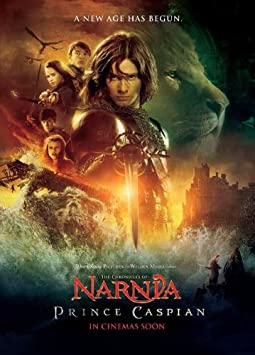
The Magician’s Nephew, by C.S. Lewis (audiobook narrated by Kenneth Branagh). This is my favorite of the Narnia books, and Branagh’s narration is great.
If Romeo and Juliet had made appointments to meet, in the moonlight-swept orchard, in all the peril and sweetness of conspiracy, and then more often than not failed to meet — one or the other lagging, or afraid, or busy elsewhere — there would have been no romance, no passion, none f the drama for which we remember and celebrate them. Writing a poem is not so different — it is a kind of possible love affair between something like the heart (that courageous but also shy factory of emotion) and the learned skills of the conscious mind. They make appointments with each other, and keep them, and something begins to happen. Of they make appointments with each other but are casual and often fail to keep them: count on it, nothing happens.
In Mary Shelley’s 1818 novel Frankenstein; or, The modern Prometheus, the title character, scientist Victor Frankenstein, is trying to solve a mystery when an idea occurs to him, and we come across this fabulous line.
“I could not doubt it. The mere presence of the idea was an irresistible proof of the fact.”
My papers would be a lot shorter (and a lot of them are already short) if I could rely on “proof by idea.” In an authorial twist, Leslie Klinger’s annotated edition claims that these sentences were added by Percy Shelley to Mary Shelley’s draft, lest you feel tempted to hold Ms. Shelley responsible for these unidentified claims.
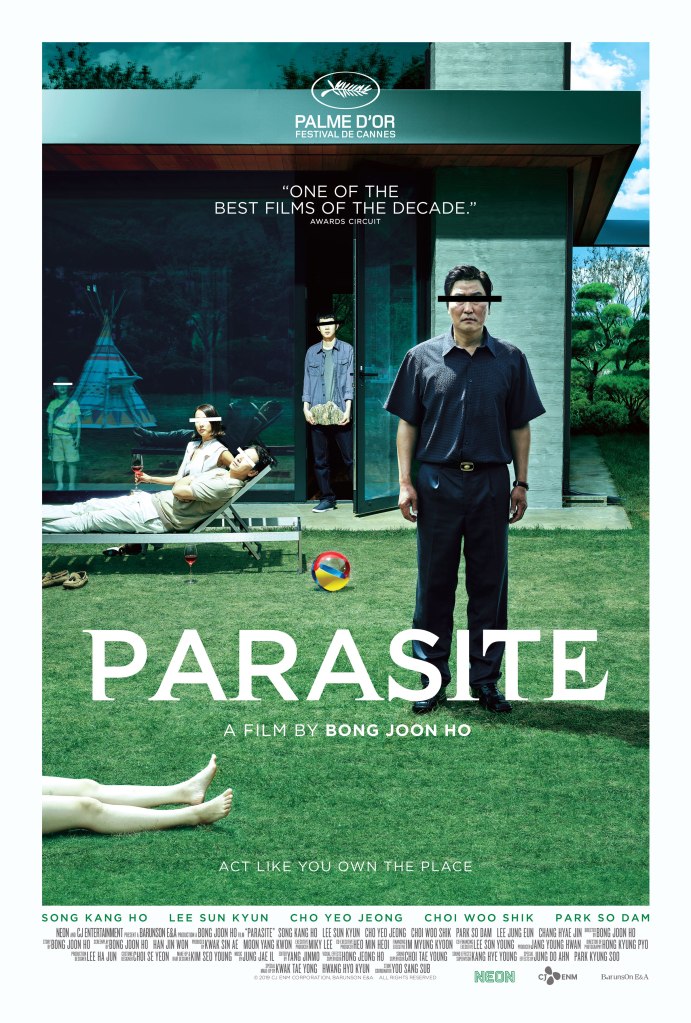
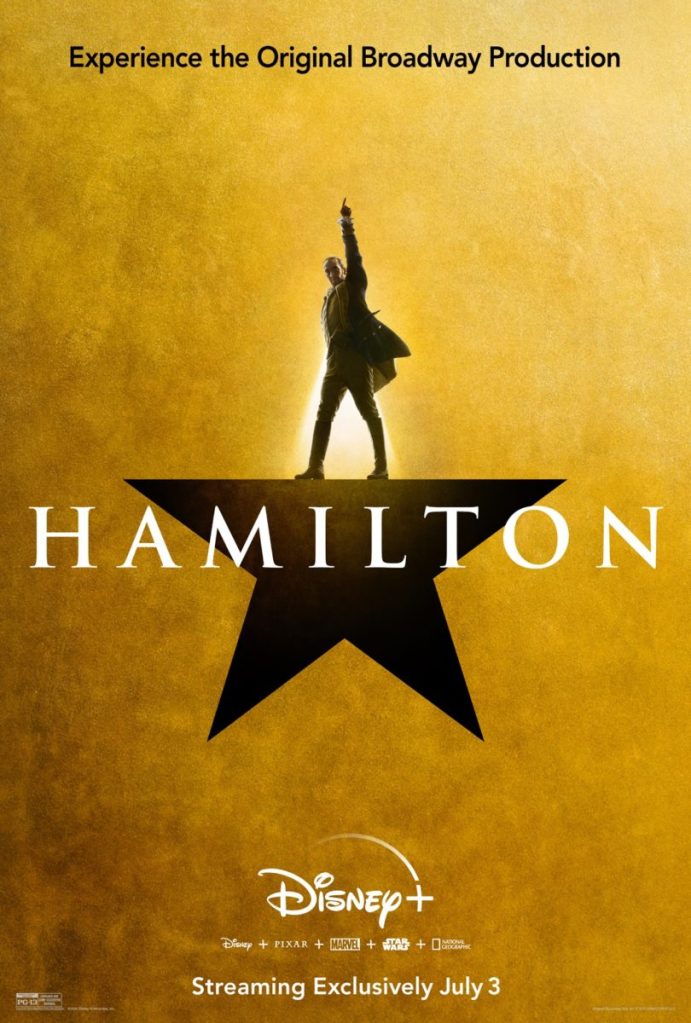
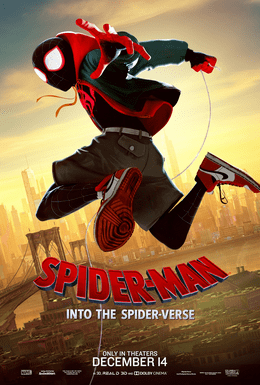
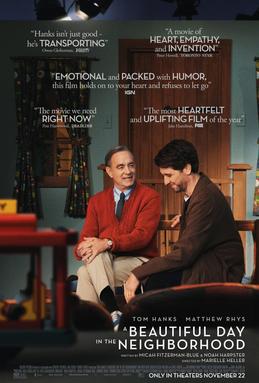
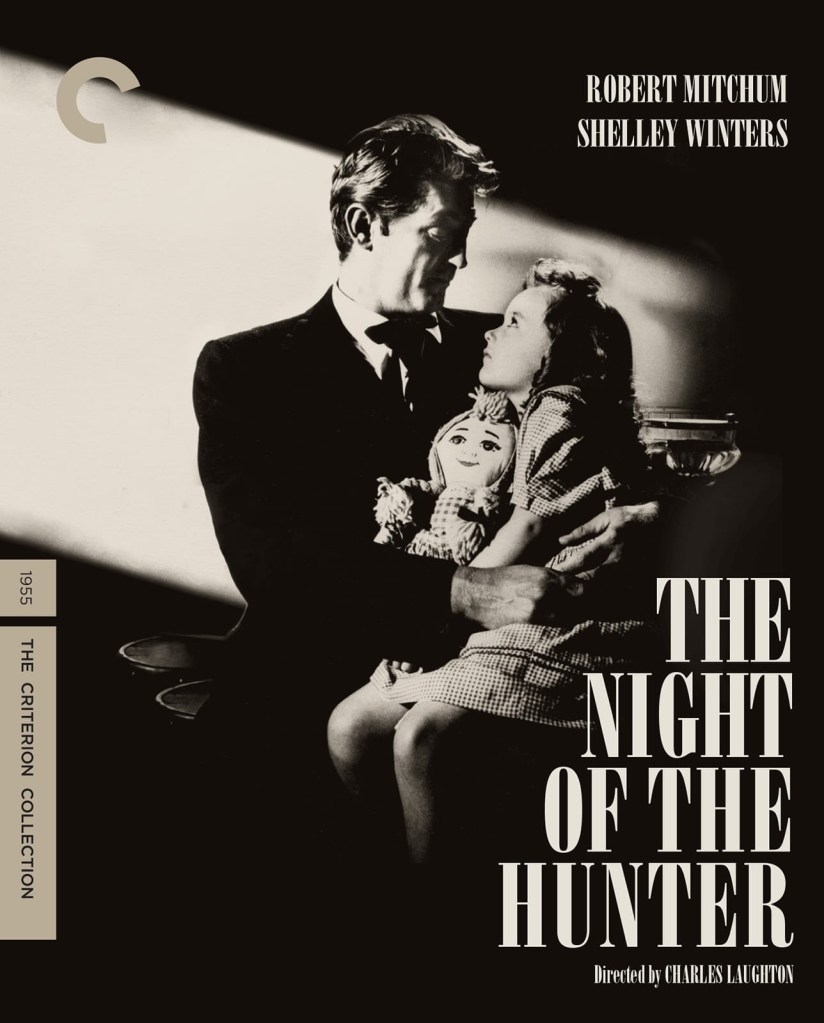
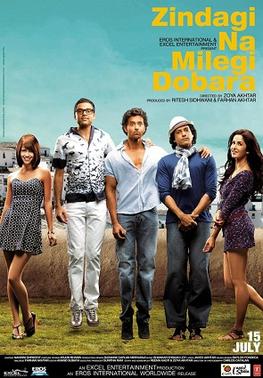
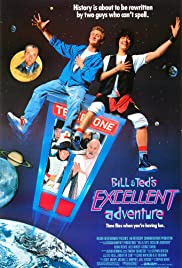
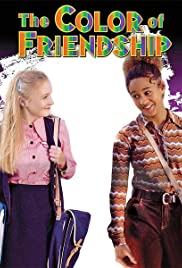
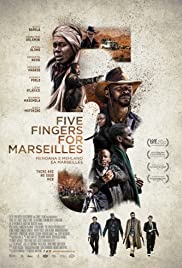
People have been dealing with the pandemic in lots of different ways. I deal with it by watching movies. Here are the best and the rest. To be clear up front, I like lots of movies and lots of different kinds of movies. Some I’ve watched on my own, some with my spouse, some with my kids. Some of these I’d never seen before (City of Joy); others I’ve seen twice (Parasite) or many times (Groundhog Day).
I’ve grouped the movies into batches, from those I adored to those (few) that were definitely not for me. Within batches, I haven’t ordered by preference but perhaps to highlight movies that you may not have encountered.
These are the movies I just adored…
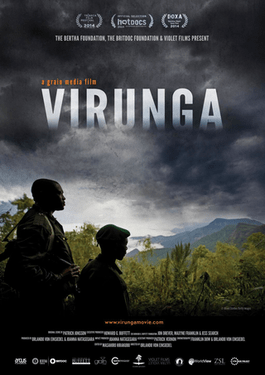
City of Joy, to be clear, is the 2016 documentary that takes place in the Democratic Republic of the Congo, not an earlier film of the same name.
Here are movies that I loved!
Here are the movies I really liked!
Here are the movies I also liked, just not quite as much.
I enjoyed these ones too!
Okay, these are movies I enjoyed some aspects of even if, on net, I didn’t think they were GREAT.
Okay, this next batch was a bit meh, but hey, they still distracted me from the pandemic! And they all had at least some entertaining element.
Full cast audiobook narrations can be delightful. Lincoln in the Bardo, by George Saunders, with 166 voice actors, is the superlative example, but there are many others.
Comedy books narrated by comedians are great, because you get the delivery as well as the content. Tina Fey’s Bossypants, Amy Poehler’s Yes, Please, and Bob Newhart’s I Shouldn’t Even Be Doing This! are all good examples.
Books where the accent or voice of the book’s narration would ideally be in a very different accent or voice from my own (e.g., from other countries or other regions) can be great if the audiobook narrator gets it right (which they often do in modern audiobooks).
Kwasny mentions that self-help books are poor audiobooks because you can’t skip the boring parts. My solution to this is to listen at higher speeds for books with a lower good content-to-size ratio. I find it a great way to speed through self-help books with some good content but also filler.
A few years ago I wrote a primer for getting started on audiobooks. Most library systems in the U.S. seem to have free audiobooks you can download to your smartphone.
Here are the audiobooks I’ve listened to and enjoyed so far in 2020:
In writer Troy Onyango’s short story “A Song from a Forgotten Place,” a character reflects on Congolese music:
She has always preferred Congolese music; the way it springs from a place is warmth and tenderness like a beanstalk breaking through the soft earth. Then it rises and rises, growing and filling the whole room with the sweet melody that makes the body jelly and the bones rubbery and one finds oneself loving his waist, legs, and arms as if possessed by a gentle, cultured demon (but still a demon all the same), and one can dance and dance and not feel the sweat trickling down the ridge of his back or feel his legs stiffen at the knees because he’s tired. One ignores all that. Lingala flows and erupts within the body.
Put on some Congolese music, quick!
You can read Onyango’s story in the collection Nairobi Noir. You can find out more about him and his writing at his website.
In Winfred Kiunga‘s beautifully observed, well-paced story “She Dug Two Graves,” Somali refugee Fawzia seeks revenge for the death of her brother at the hands of corrupt Kenyan police officials. At one point, she receives an email from her friend, Marian, also a refugee but now resettled in Toronto, encouraging her to leave her place:
“Who are we, if we do not put our feet into the waters? How will we discover new lands, new frontiers, if we grow afraid of the waves? I dare you to find joy in the unknown.”
Many people are working from home these days, often with more (or different) distractions than usual, not least the other people in the house. About two thousand years ago, the Roman philosopher Seneca faced related problems. He discussed them in his essay “On quiet and study.” He sets the scene:
I have lodgings right over a bathing establishment. So picture to yourself the assortment of sounds, which are strong enough to make me hate my very powers of hearing! When your strenuous gentleman, for example, is exercising himself by flourishing leaden weights; when he is working hard, or else pretends to be working hard, I can hear him grunt; and whenever he releases his imprisoned breath, I can hear him panting in wheezy and high-pitched tones. Or perhaps I notice some lazy fellow, content with a cheap rubdown, and hear the crack of the pummeling hand on his shoulder, varying in sound according as the hand is laid on flat or hollow. Then, perhaps, a professional comes along, shouting out the score; that is the finishing touch. Add to this the arresting of an occasional roysterer or pickpocket, the racket of the man who always likes to hear his own voice in the bathroom, or the enthusiast who plunges into the swimming-tank with unconscionable noise and splashing. Besides all those whose voices, if nothing else, are good, imagine the hair-plucker with his penetrating, shrill voice, – for purposes of advertisement, – continually giving it vent and never holding his tongue except when he is plucking the armpits and making his victim yell instead. Then the cake-seller with his varied cries, the sausageman, the confectioner, and all the vendors of food hawking their wares, each with his own distinctive intonation.
But wait, he says, maybe the noise is actually on the inside.
By this time I have toughened my nerves against all that sort of thing, so that I can endure even a boatswain marking the time in high-pitched tones for his crew. For I force my mind to concentrate, and keep it from straying to things outside itself; all outdoors may be bedlam, provided that there is no disturbance within, provided that fear is not wrangling with desire in my breast, provided that meanness and lavishness are not at odds, one harassing the other. For of what benefit is a quiet neighbourhood, if our emotions are in an uproar? … You may therefore be sure that you are at peace with yourself, when no noise reaches you, when no word shakes you out of yourself, whether it be of flattery or of threat, or merely an empty sound buzzing about you with unmeaning din.
Then again, maybe it’s easier just to find a quieter room.
“What then?” you say, “is it not sometimes a simpler matter just to avoid the uproar?” I admit this. Accordingly, I shall change from my present quarters. I merely wished to test myself and to give myself practice. Why need I be tormented any longer, when Ulysses found so simple a cure for his comrades even against the songs of the Sirens? Farewell.
Peter Dizikes has a nice profile of economist Amy Finkelstein and her work in health economics in the MIT Technology Review. If you’re not familiar with her work, Finkelstein won the John Bates Clark Medal in 2012 and a MacArthur “genius” fellowship in 2018. (You can find her research here.) Dizikes includes a quote from Finkelstein that really captures the motivation for research that I feel.
“If you made me king or queen of the world, it’s not obvious how we should be designing our health-care system,” she says. “Which makes me a very bad cocktail party conversationalist, because when people say ‘What do you think of Medicare for All?’ or ‘How should we design health insurance?’ my usual reaction is ‘Well, I don’t know the answer, and that’s why I work on it.’ There are a lot of things I know or think I know the answer to, but those are not the things I do research on.” (emphasis added)
I’ve worked in development economics for some years now, and I’ve carried out repeated research on a few topics: education (especially teachers); social safety nets (especially cash transfers); and health. This research has certainly given me views on topics, but there are so many things to know and there are so many different contexts with different variables that I usually go into new research projects with little idea of what I’ll find, even in areas where I’ve worked before.
Here’s to finding new answers through good research.






































































 David Evans' personal blog